When safety was no longer the core challenge, people’s demand for automotive glass began to shift toward a more comfortable and convenient experience. In 1934, Chrysler took the lead in breaking the monotonous pattern of flat glass by launching the first single-piece curved windshield on its Airflow model. This curved glass not only fit the vehicle’s body lines perfectly but also greatly improved the car’s aerodynamic performance, reducing wind resistance during driving. At the same time, it widened the driver’s field of vision, making driving easier and safer.
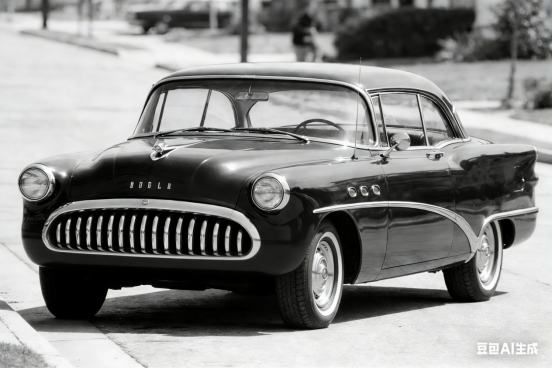
In 1954, Buick delivered another revolutionary innovation—the panoramic windshield. Spanning the entire front of the vehicle, this full-piece glass eliminated visual limitations entirely, allowing drivers and passengers to enjoy unobstructed outdoor views and bringing a transformative expansion to driving visibility. Since then, advancements in automotive glass have never stopped: electric defroster wires solved glass fogging in cold winters; integrated glass antennas freed in-car radio reception from external antenna constraints; hydrophobic coatings kept glass clear even in rainy weather; and UV-blocking films provided health protection for vehicle occupants. What was once a simple protective panel has gradually evolved into a multifunctional component integrating safety, comfort, communication and energy efficiency, embedded in every detail of modern automobiles.

If you have questions about automotive glass production, processing or equipment, or wish to discuss the current development and future trends of the automotive glass industry, please feel free to contact LandGlass. Leveraging our professional technical team, profound industry expertise and comprehensive service system, we deliver comprehensive technical support and customized solutions. Let us join hands to drive the high-quality development of the global automotive glass industry.