The setting of process parameters directly determines the state of glass inside the furnace. Improper parameters are the main cause of large-area, dense hot spots (such as orange peel). Such hot spots are often accompanied by overheating.
The root cause lies in the mismatch between heating parameters and the specific characteristics of the glass product. Excessive heating temperatures or prolonged heating cycles cause the glass surface to over-soften, potentially reaching a viscous state. In this condition, the glass is highly susceptible to sagging under its own weight and sticking with the rollers. Once the glass cools and solidifies, these defects manifest as dense, minute protrusions and pits—visually identified as pitting or "orange peel."
The solution lies in the implementation of data-driven and refined process management. Enterprises should build their own glass tempering process database. For glass of different thicknesses and materials, the optimal heating temperature, heating time and heating curve should be determined through experiments and formed into standardized operating instructions. For example, for 6mm ordinary clear float glass, the initial parameters can be set at around 650°C for heating temperature and 200–230 seconds for heating time, with fine-tuning according to actual furnace conditions and product performance.
In addition, precise control of process gas is equally critical. As a commonly used process gas, the flow rate and distribution uniformity of sulfur dioxide must be accurately set and monitored. Excessive injection or excessively high local concentration will not only cause abnormal glass surface quality, but also directly damage the rollers and thereby cause regular hot spots. It must be regarded as a core process parameter as important as temperature and time, with standard operating procedures established.
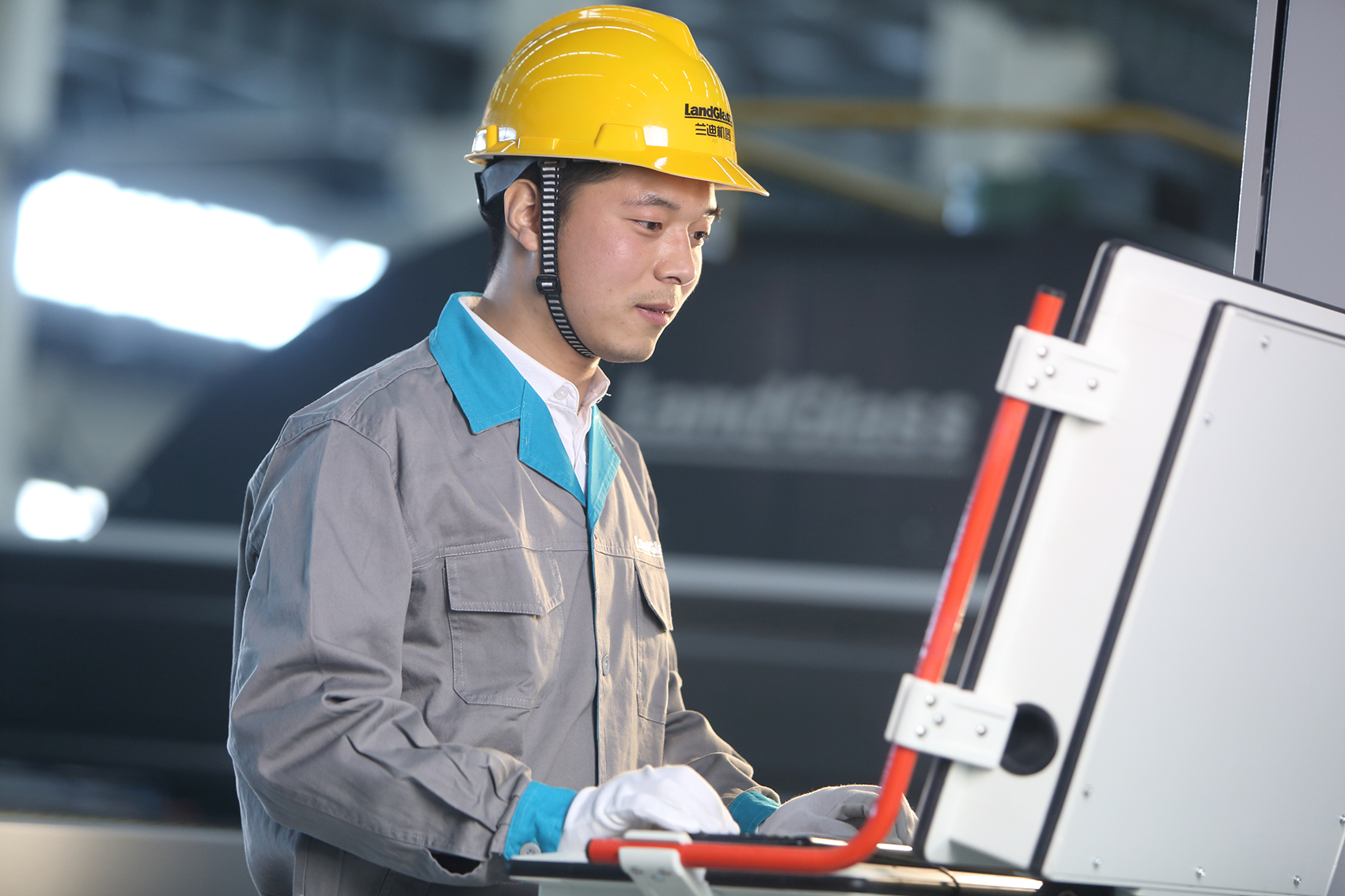
With deep roots in the glass processing industry, LandGlass not only provides high-performance glass tempering furnaces, but also commits to offering customers full-process process support and quality management solutions. We will continue to help global customers build a solid quality foundation, enhance core competitiveness, and jointly promote the industry to move toward higher quality and higher efficiency through technological innovation and professional services.